Creating Drought-Resilient Landscapes in Colorado's Arid Climate Feb 18, 2026
Living in Colorado’s dry region means that traditional lawns and gardens may not always be the most water-efficient. To combat this, we recommend embracing xeriscaping—a landscaping method that reduces or eliminates the need for supplemental water. The first step is selecting drought-tolerant plants, many of which are native to Colorado. Plants such as the Rocky Mountain Penstemon, Blue Grama Grass, and Rabbitbrush are not only adapted to the local climate but also support local biodiversity. These selections require significantly less water than traditional turf, helping you conserve resources while maintaining a beautiful garden.
A crucial component of creating a drought-resilient landscape is soil improvement. Healthy soil enhances the water retention capability, reducing the need for frequent watering. Adding organic matter like compost to your soil improves its structure and nutrient content, making it more supportive of plant life. Regularly mulching your garden beds also helps retain moisture by reducing evaporation and protecting the soil from direct sunlight.
Thoughtful irrigation techniques further contribute to efficient water use. Drip irrigation systems are particularly effective because they deliver water directly to the plant's root zone, resulting in minimal water loss. These systems can be paired with smart irrigation controllers that adjust watering schedules based on real-time weather data. Such technology optimizes water usage without compromising plant health.
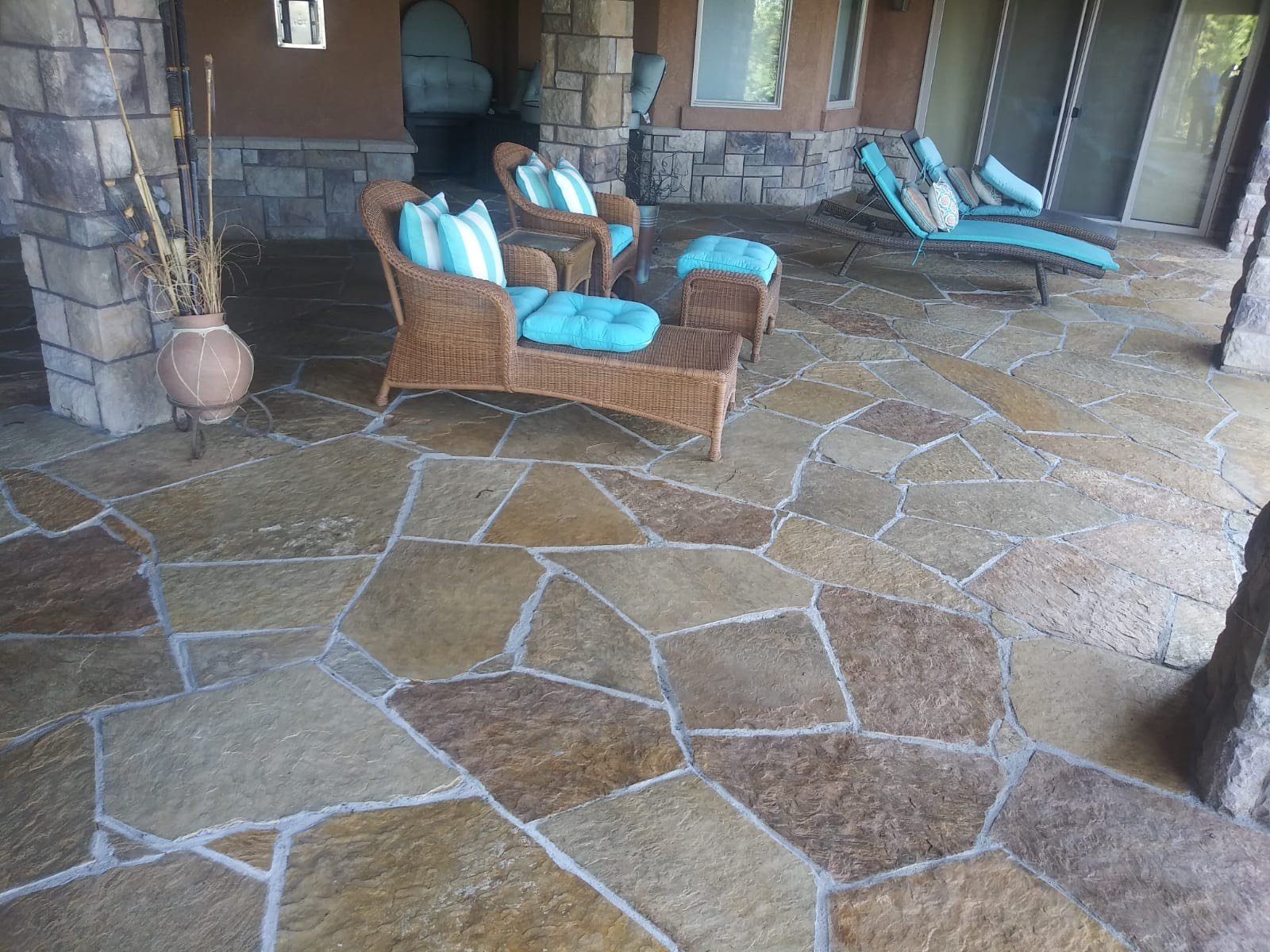
Incorporating hardscaping elements like stone pathways, patios, and decorative rock gardens can reduce the amount of water-intensive grass areas. Not only do these features provide functional and aesthetic benefits, they also require little to no water, dramatically decreasing overall water consumption. Choosing durable, locally sourced materials further enhances sustainability.
Beyond aesthetics and conservation, implementing a rainwater harvesting system is highly beneficial for maintaining a drought-resilient landscape. By collecting and storing rainwater, these systems provide an eco-friendly water source that can be used during dry periods. Rain barrels are a simple and effective solution to capture runoff, giving you an accessible means to nourish your plants sustainably.
Maintaining a drought-resistant landscape requires continuous care. Regularly checking for leaks in irrigation systems, managing weed growth, and seasonally adjusting maintenance routines based on plant needs ensures a thriving ecosystem. Educating oneself on the specific requirements and growth cycles of the chosen plants will empower you to make informed decisions, ensuring their longevity.
At JS Landscaping Colorado, we believe that with careful planning and strategic execution, creating a drought-resilient landscape is not only feasible but immensely rewarding. Our team of experts is dedicated to assisting you every step of the way, offering personalized solutions tailored to your specific needs and preferences. Together, we can turn the challenge of Colorado’s arid climate into an opportunity to create stunning, sustainable outdoor spaces that endure for generations.
/filters:no_upscale()/filters:format(webp)/media/dbc5f81c-5803-494f-b977-05e935c42ea6.jpeg)