Adapting to Colorado's Climate: Drought-Resistant Landscaping Strategies Feb 08, 2026
Understanding Drought-Resistant Landscaping
Before diving into strategies, it's important to understand what drought-resistant landscaping entails. This approach involves designing outdoor spaces with native or drought-tolerant plants that can thrive with minimal irrigation. The primary goal is to create a sustainable environment that reduces water usage while maintaining aesthetic appeal.
Choosing Native Plants
The first step to a successful drought-resistant landscape is selecting the right plants. Colorado is home to a variety of native plant species that are well-adapted to its arid climate. Consider incorporating plants like Rocky Mountain penstemon, blue grama grass, and Apache plume. These species not only require less water but also resist local pests and diseases, ensuring a healthy and vibrant garden with minimal intervention.
Efficient Irrigation Techniques
While native plants reduce the need for watering, efficient irrigation is still essential. Drip irrigation systems are highly recommended as they deliver water directly to the plant roots, minimizing evaporation and runoff. Consider installing a smart irrigation controller that adjusts watering schedules based on weather conditions, further optimizing water use. Remember that watering in the early morning or late evening can also reduce water loss due to evaporation.
Soil Management for Water Retention
Improving soil quality is another crucial factor in drought-resistant landscaping. Soil with high organic content retains moisture better and supports plant health. Incorporating organic matter like compost into your garden soil can enhance its water-holding capacity. Additionally, adding a layer of mulch around plants helps conserve moisture, suppress weeds, and maintain even soil temperature.
Implementing Hardscaping Elements
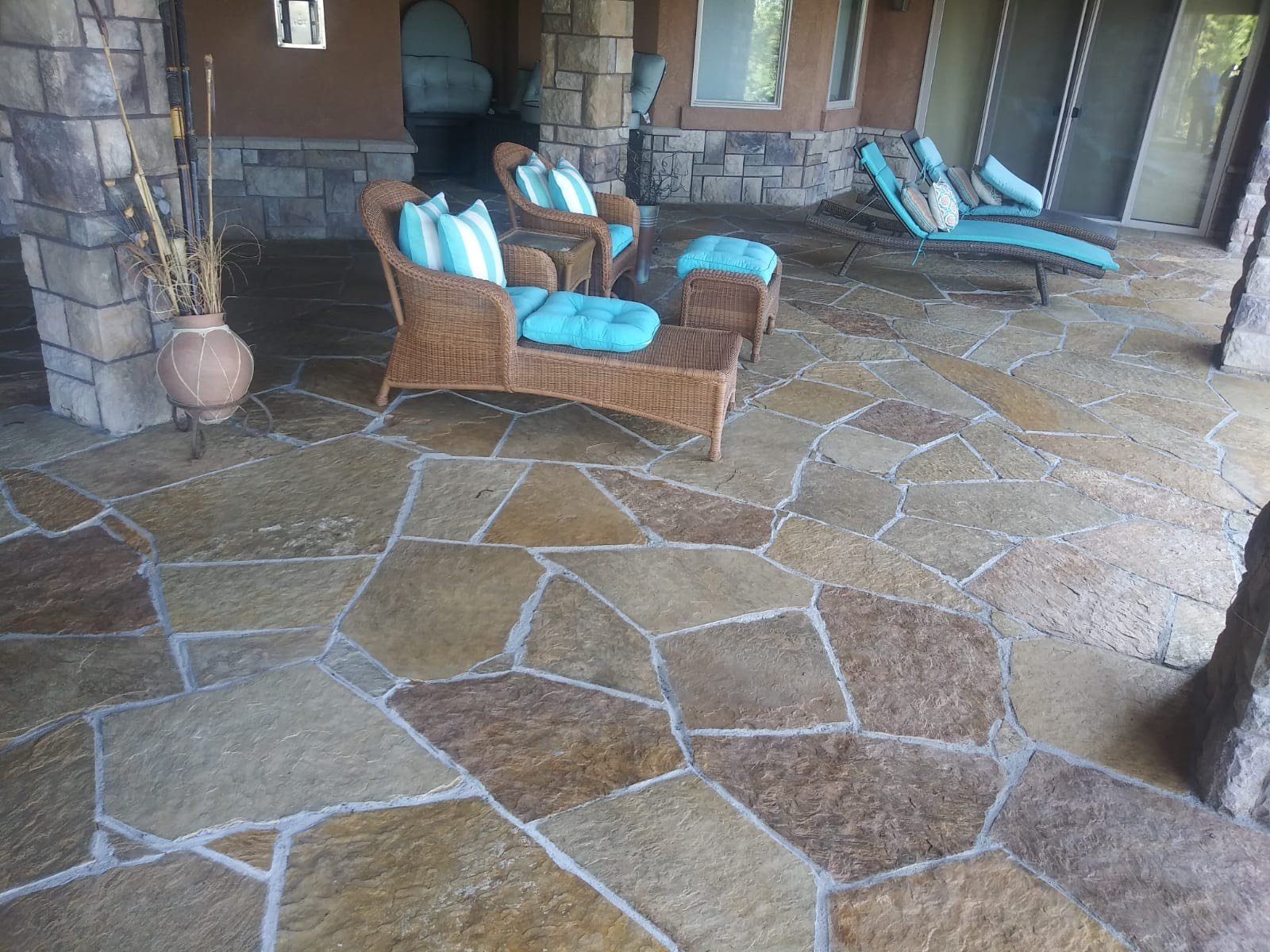
Hardscaping is a brilliant way to enhance the visual appeal of your landscape while reducing water dependency. Consider incorporating elements such as stone pathways, patios, and decorative rock gardens. These features not only decrease the amount of space requiring irrigation but also add texture, contrast, and functionality to your outdoor area.
Sustainable Landscape Design
Creating a balanced landscape design that respects the natural ecosystem is vital for sustainability. Focus on grouping plants with similar water needs together, which allows for more efficient watering. Avoid planting thirsty lawns or high-maintenance plants in favor of xeriscaping—a landscaping method that reduces or eliminates the need for supplemental water from irrigation.
Conclusion
By adopting drought-resistant landscaping strategies, you not only contribute to water conservation efforts in Colorado but also enjoy a lower-maintenance, cost-effective, and environmentally friendly outdoor space. The key lies in making informed decisions about plant selection, irrigation, soil management, and design. At JS Landscaping Colorado, we are dedicated to helping you achieve a beautiful, sustainable landscape that thrives in our unique climate. Contact us today to learn more about our services and how we can collaborate on transforming your outdoor space into an oasis of resilience and beauty.
/filters:no_upscale()/filters:format(webp)/media/dbc5f81c-5803-494f-b977-05e935c42ea6.jpeg)